

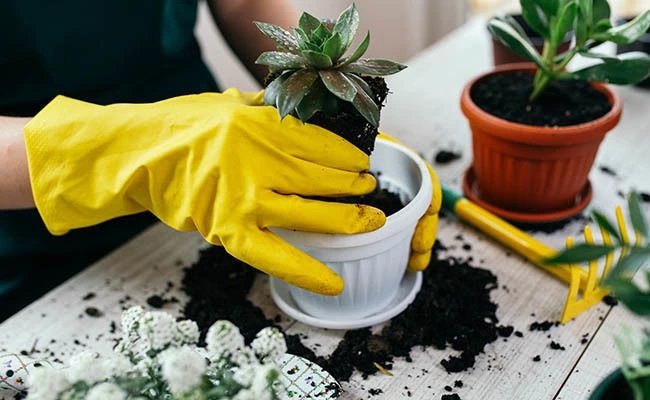
As the indoor plants grow and increase their size, they need proper space and nutrients for a better look and enhanced growth. Repotting is a requirement of the plants for efficient growth. Repotting indoor plants in March will help you to get good results. As this month is the beginning of the spring season, so timply repotting will ensure the growth of the plants.
You must choose a suitable pot, slightly bigger than the previous one, for a smooth growth of roots. Use nutrient-rich media which fulfil the requirements of the indoor plants. Moisture retention, aeration and drainage are the characteristics of the media, which should be maintained for the growth of plants. This blog will explain the need to repot indoor plants and their procedure.
Signs Your Indoor Plants Need Repotting
Every sign of a plant is important for the growth of the plant. It helps in identificaiton of the condition of the plant. A professional gardener can understand the extent of the signs in indoor plants. The yellowing of the leaves and coming out of the roots from the bottom of the pot are clear signs to repot indoor plants in March. One should take care of the plants before wilting and falling leaves of the plants to make sure of the health of the plants. Regular checking of your plants will give you insight of the condition of the plants and help in the fast recovery of indoor plants from signs of stress.
Step-by-Step Guide to Repot Indoor Plants Safely
You should follow the steps to repot indoor plants in March without damaging their roots. This Indoor plant repotting guide will give you accurate results.
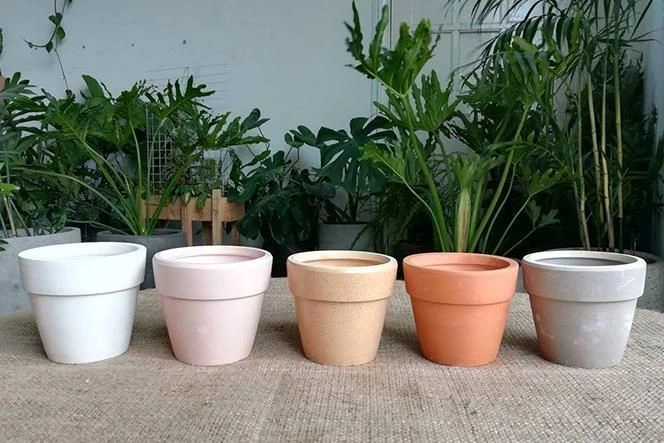
Choosing a suitable Pot
Firstly, choose a pot size at least 1-2 inches bigger than the size of the previous pot size. It will ensure the correct process to repot indoor plants in March. It gives more space to your plant’s roots to grow and nutrients from the soil of the pot.
Removing soil
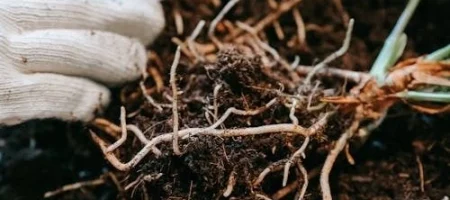
Carefully, remove extra soil from the roots of the plant without damaging the root hairs. It will help you to repot houseplants in spring safely and ensure the success of the indoor plant’s growth. In certain cases, cut the ends of the roots for better growth of the plants. It allows the plant to make a new root system, which confirms the uptake of water and nutrients.
Repotting soil
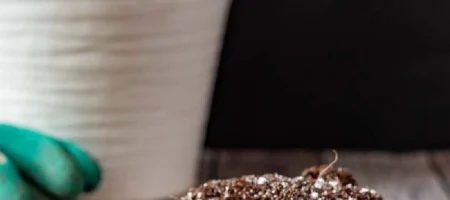
Make sure of well-drained and well-aerated soil to repot indoor plants in March. Soil is not the same for all the plants, it differs according to the type of plant and ensures the better health of the plant. Always refresh your soil before reporting the plant. Mix it with other soil components like cocopeat and perlite.
Common Mistakes to Avoid When Repotting Indoor Plants
Plants need constant care for better growth. Take care of the water availability to your plants. Overwatering can cause root rot and it can lead to the wilting of plants.The flip side of the scenario underwatering, can lead to the stagnant growth of the plant.
Light is essential for the growth of plants. When you repot Indoor plants, they require indirect light according to the variety of the plant. Yellowing of leaves is seen in light-deficient plants and retard growth. Change the place of the plants for better health of the plants.
Pot size should be checked for proper growth of indoor plants. March is the best season for repotting indoor plants. Choose a slightly bigger pot size than the previous one for the growing plant. It increases the success rate and confirms the proper growth of the plant.
Conclusion
Repotting Indoor Plants in March enhance success rate of plant growth. Understanding the requirements of the plant is essential for maintaining indoor plant’s health. They require light and ventilation for the indoor spaces. You must follow the steps to repot indoor plants, like selecting a slightly bigger pot than the previous one. Soil should be nutrients-rich and well-drained. Take care of your indoor plants from overwatering and underwatering in daily routine activities. Place your plants in a proper place to get indirect sunlight to fulfil their requirements. Check your plants on a daily basis for better health and maintenance. It will lessen the care of plants and safe it from many diseases. You can get more information from the website flowscripto about repotting indoor plants in March.
FAQs
Is reporting indoor plants in March the best time?
Yes, March is the best time to repot indoor plants because it is the beginning of the spring season. As plants grow fast in the spring season, they must have enough space to grow their root system. It affects the health and beauty of the different types of indoor plants with less care and better results.
How many times should indoor plants be repotted?
Repotting of Indoor Plants depends upon the variety of plants. Certain plants require 2-3 times repotting due to the fast growth of the root system. Other plants require repotting in 2-3 years due to the slow growth of roots. If you repot indoor plants at the right time, it will ensure the better health and beauty of your plants.
Can repotting damage plant roots?
Yes, repotting can damage plant roots if done without proper care and experience. It should be done according to the type of plant and its requirements. You must carefully remove extra soil without damaging the roots and repot in a well-drained and nutrient-rich soil for better results.
Should I fertilize plants after repotting?
Lorem ipsum dolor sit amet, consectetur adipiscing elit. Ut elit tellus, luctus necFertilizing should be done according to the needs of the plant. Freshly repotted plants contain nutrients that can support the growth of plants. Adding fertilizer after repotting can stress the plant and retard the growth of the plant. A professional gardener recommend to add fertilizer after 2-3 weeks of repotting. ullamcorper mattis, pulvinar dapibus leo.
What soil is best for indoor plants?
When you repot Indoor plants, they require fewer nutrients due to slow growth. A balanced soil mix is required for the efficient growth of roots. Indoor plants soil must be lightweight, aerating and well-drained. This soil is mixed with other ingredients like coco coir and peat moss, which make it well-drained and aerating.
